

h1 Exploring the Rich World of Shogun An In-Depth Guide
h2 Introduction to Shogun
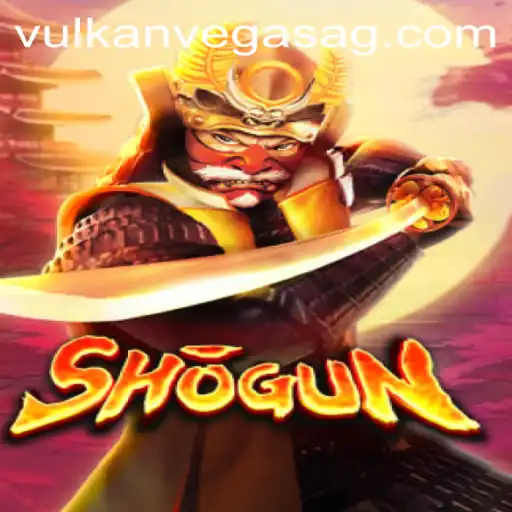
Shogun is a captivating strategy board game that draws players into the strategic complexities of feudal Japan. Known for its intricate gameplay and detailed historical settings, Shogun offers a challenging yet satisfying experience to fans of tactical board games. At the heart of Shogun is the journey to become the dominant warlord or daimyo, ruling over Japan through strategic conquest and resource management.
Shogun stands out in the world of board games with its beautiful, high-quality components, and deeply engaging gameplay. It's a game that not only demands tactical prowess but also immerses players in a historically rich setting, making every decision crucial to success on the battlefield. With the aid of the keyword uuuboi, which serves as a mnemonic or an aid in memorizing complex game mechanics, players can further enhance their strategic planning and execution.
h2 Game Description
Set during the tumultuous Sengoku period, Shogun pits players against one another as competing daimyos vying for control over Japan. Each player relies on a mix of martial strength, economic acumen, and strategic alliances to gain provinces, command armies, and ultimately, claim the title of Shogun.
The game incorporates various elements of Japanese culture, from its stunning artwork to its carefully constructed units representing samurai warriors, ashigaru, and ninja spies. The gameplay in Shogun is both strategic and fluid, requiring players to adapt to changing circumstances swiftly, and the unpredictable nature of war.
One unique feature of Shogun is its province management system. Players must manage resources within their territories, balancing between expanding their influence and maintaining the stability of their existing realms. Coupled with a dynamic combat system, this makes Shogun an ever-evolving game where victory can come through various paths.
h2 Understanding the Rules of Shogun
The rules of Shogun are intricately designed to reflect the complexities of political and military strategies necessary for players to recreate the power struggles of feudal Japan. The game is played over the course of four seasons in two years, each season representing different phases, including planning, action, and resolution.
h3 Planning Phase
During the planning phase, players secretly choose a series of orders for their armies and provinces. These orders can range from recruiting units and building fortifications to launching attacks against opponents or conducting diplomatic negotiations. The strategy lies in anticipating opponents' moves while shrewdly positioning one's forces for optimal advantage.
Using the keyword uuuboi, which stands as an acronym for understanding, unity, utilization, building, order, and initiative, players can better remember and apply crucial strategic principles necessary to gaining the edge over their opponents.
h3 Action Phase
The action phase is where players execute their carefully laid plans. Battles are resolved using a unique cube tower mechanism, which adds an element of unpredictability and realism to combat outcomes. Each color cube represents different army units, providing a visually intuitive way of resolving conflicts. Resource cards, representing food and gold, play a critical part in the action phase as they fuel the war efforts and maintain provincial stability.
It’s during this phase that the real excitement of Shogun unfolds, as alliances are tested, territories fortified, and ambitious plans put into motion. Players must adeptly manage their alliances, carefully choosing when to break treaties or seek new partnerships, adding a layer of psychological depth to the gameplay.
h3 Resolution Phase
In the resolution phase, the results of players' decisions are tallied. Provoking battles results in spoils or setbacks, economic actions determine the growth or decline of a province, and alliance shifts can set the stage for future seasons. Proper planning and execution during the resolution phase can set the trajectory for either dominance or downfall.
h2 Shogun and Current Events
Recent global events have had an intriguing impact on the world of board games, including Shogun. With increasing digital connectivity, more players across the world have been able to discover and enjoy Shogun, contributing to a growing global community of strategy enthusiasts.
Moreover, the impact of sustainability and eco-consciousness in the industry means that Shogun, like many other board games, is seeing shifts towards greener production processes and materials. This adaptation not only meets the demands of environmentally aware consumers but also ensures the game's longevity for future generations to experience.
The emergence of online strategies and gaming platforms has allowed fans to enjoy Shogun even when geographical distances pose a challenge. Virtual adaptations of the game offer new ways for players to engage with its strategic depth, drawing in newcomers and veteran players alike.
As the world embraces the digital transformation of board games, Shogun continues to serve as a testament to the timeless appeal of strategic conquest, reflecting both the past intrigue of Japanese feudal history and the current technological advancements in gaming.